Is Turkey Good for Diabetics? A Practical Guide
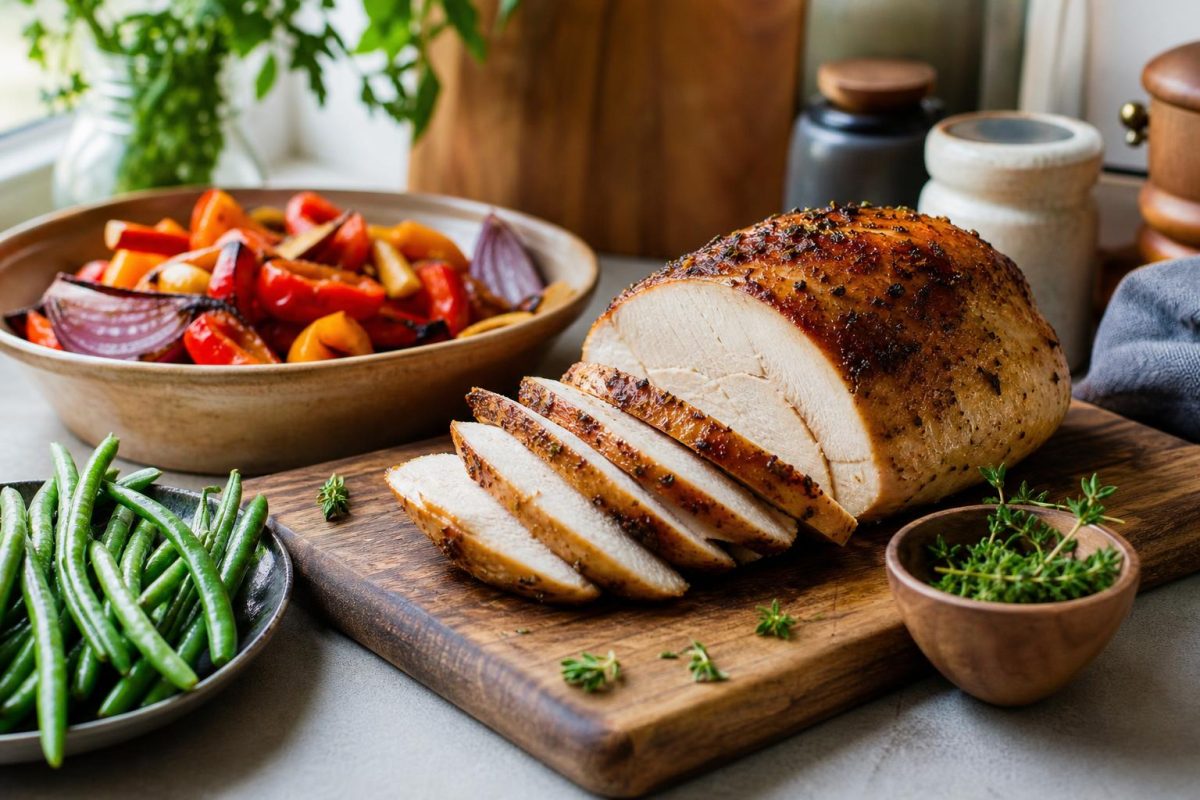
Yes, plain turkey can be a good choice for people with diabetes. Plain roasted turkey contains no carbohydrates, so it does not raise blood sugar on its own, and it is a lean source of protein. The bigger question is how the turkey is cooked, which part you eat, and what you serve with it. Those choices can change the fat, calories and sodium quite a bit.
This guide is general education, not medical advice. Your care team can help you decide how turkey fits into your own meal plan.
Is Turkey Good for Diabetics? The Short Answer
Turkey is a protein food. Protein does not contain carbohydrates in the way that bread, rice, potatoes and fruit do, so a plain turkey portion adds very little to your carb count. Protein also helps you feel full, and it is a steady part of a balanced meal. For most people, that makes turkey a practical everyday option.
The catch is that many turkey dishes come with extras. Gravy, glazes, stuffing, rolls and some deli meats can add carbohydrates, sugar, fat or salt. So the question is not only whether turkey is good for you, but how you prepare it and what goes on your plate.
Turkey Has No Carbohydrates, but Check the Rest of the Dish
According to the USDA FoodData Central database, plain cooked turkey has essentially no carbohydrates. You can look up specific cuts and preparations there if you want to compare them. When you see turkey in a recipe, though, read the full ingredient list. Sugar in a glaze, flour in gravy, breadcrumbs in meatballs and sweetened cranberry sauce all add carbs.
If you want a quick way to check packaged foods, the FDA explains how to read the Nutrition Facts label, including total carbohydrates, fiber, sugar and sodium. Those four lines will tell you most of what you need to know about a packaged turkey product.
White Meat vs. Dark Meat: What Changes
Both white and dark meat come from the same bird, and both can fit into a diabetes-friendly eating pattern. The difference is mainly fat. Turkey breast, which is white meat, is leaner. Thigh and drumstick meat, which is dark meat, has more fat and more calories for the same weight. Dark meat also tends to have a richer flavor and a moister texture, which some people prefer.
A simple way to think about it is this: if you are watching calories or fat closely, breast meat is often the leaner pick. If you enjoy dark meat, you can still include it. Just pay attention to portion size and keep the rest of the plate balanced.
Ground turkey labels matter too
Ground turkey is sold in different lean-to-fat ratios. A package labeled as breast meat is usually leaner than a package made from a mix of meat and skin. Read the label on the package in front of you, because the ratio is printed right there.
Skin On or Skin Off?
Turkey skin adds fat and calories. It is tasty, and crisp skin is part of many holiday meals, so you do not have to avoid it forever. But if you are trying to keep fat and calories in check, removing the skin before you eat is an easy change. Many people take the skin off before they carve, and then they add flavor with herbs, lemon, garlic, pepper or a light brush of olive oil on the meat itself.
Skin also soaks up seasoning and fat during cooking. If you enjoy a little skin, try a small piece with a larger portion of meat and vegetables, rather than eating skin as the main part of the plate.
Portion Size With the Diabetes Plate Method
The Diabetes Plate Method, from the American Diabetes Association, is a simple way to build a meal without counting every gram. Picture a 9-inch plate. Fill half of it with non-starchy vegetables, such as green beans, salad greens, broccoli or roasted peppers. Fill one quarter with lean protein, such as turkey. Fill the last quarter with carbohydrate foods, such as a small serving of sweet potato, whole grain or beans. Add water or another zero-calorie drink on the side.
For turkey, that means the protein quarter of your plate is about the size of a deck of cards, or roughly the palm of your hand without fingers. That is a practical guide for a typical serving. Your own needs may be different, so check with your dietitian or care team if you want a portion plan that fits your goals.
To learn more about the method, see the ADA explanation of the Diabetes Plate. It is a good starting point for building turkey meals that feel complete.
Why the plate works well with turkey
Turkey is easy to pair with the other sections of the plate. A turkey breast portion, a big pile of roasted green beans and a small scoop of mashed cauliflower makes a balanced meal. Our guide to the Diabetes Plate Method shows more examples of how to build meals like this.
Watch Out for Brines, Glazes and Gravy
Some of the biggest changes to turkey come from what is added before and after cooking. These are the most common ones to watch.
- Brines: Many store-bought and restaurant turkeys are injected or soaked in a saltwater solution. Some brines also include sugar or flavorings. Check the label for "injected with a solution" or sodium content. If you brine at home, you can use herbs, citrus and a smaller amount of salt instead.
- Sugary glazes: Brown sugar, honey, maple syrup and marmalade glazes add carbohydrates quickly. A sugar-free glaze made with mustard, herbs and a small amount of sweetener can give you flavor without the sugar spike.
- Gravy: Traditional gravy is often thickened with flour and made with drippings, which add fat and sodium. A lighter version made with broth, herbs and a small amount of thickener, or simply the pan juices spooned over the meat, is often a better choice.
- Stuffing and bread: Stuffing is one of the most carb-heavy parts of a holiday dinner. A small serving, or a vegetable-based side, can keep the plate balanced.
If you want a flavorful turkey without the sugar, our honey mustard glazed air fryer turkey breast uses a sugar-free glaze. For a moist, lower-fat option, try our Instant Pot boneless turkey breast with sage and thyme gravy.
Deli Turkey and Sodium
Sliced deli turkey is convenient, but it is often high in sodium. Sodium matters because high-salt eating can affect blood pressure for many people, and blood pressure is important for heart and kidney health. Two slices of one brand can contain far more salt than two slices of another, so compare labels. Look for lower-sodium versions and check the serving size, since many packages list a serving as only two or three slices.
Fresh roasted turkey breast from the deli counter is sometimes a little lower in sodium than the pre-packaged kind, but it can still be salty. Ask the counter staff for a nutrition sheet if you want to compare. Another option is to roast a turkey breast at home and slice it yourself, which lets you control the salt.
For a lunch idea that uses turkey without a lot of extras, try our turkey and dill pickle roll-ups with cream cheese. You can also use a small portion of sliced turkey in a salad or wrap built on lettuce.
Safe Cooking Temperature for Turkey
Food safety matters for everyone, and it matters even more when you are managing a health condition. Cook turkey until the thickest part of the meat, including the thigh and the center of the breast, reaches an internal temperature of 165 F (74 C). Use a food thermometer, since color alone is not a reliable sign that turkey is done. Let the meat rest for a few minutes before carving so the juices settle.
Leftovers should be refrigerated within two hours of cooking. The USDA food safety charts list how long cooked turkey keeps in the fridge and freezer, which can help you plan your leftover meals.
Ideas for Turkey Leftovers
Leftover turkey can make several meals in a row without much effort. Here are some ideas that keep the plate balanced:
- Turkey and vegetable soup: Simmer leftover turkey with broth, celery, carrots, onions and lots of leafy greens. Our Instant Pot turkey meatball soup with spinach shows how turkey and greens work together in a warm bowl.
- Lettuce wraps: Chop turkey and toss it with ginger, garlic, and crisp vegetables, then spoon it into lettuce cups. Try our ginger turkey lettuce wraps with water chestnuts.
- Stuffed peppers: Mix chopped turkey with cauliflower rice and tomatoes, then bake inside peppers. Our turkey stuffed bell peppers are a good way to use a larger amount of turkey.
- Turkey breakfast hash: Dice leftover turkey and cook it with peppers and onions for a quick morning plate. Eggs or a small amount of whole-food side can round it out.
- Turkey cranberry salad: Combine turkey, celery and pecans with a light dressing and serve on greens. It is a simple way to use up holiday leftovers.
Store leftovers in shallow airtight containers. Cooked turkey is safest when eaten within a few days or frozen for longer storage. The USDA storage charts on foodsafety.gov list the recommended times for different types of leftovers. When in doubt, throw it out.
Putting It All Together
Turkey is a good fit for many people with diabetes. Plain turkey has no carbohydrates, it is a lean protein, and it works well as the protein quarter of a Diabetes Plate. The biggest factors are the choices around it: white meat or dark meat, skin on or off, brine, glaze, gravy, stuffing and deli sodium. Make a few small swaps, pay attention to portions, and fill the rest of the plate with vegetables and balanced carbohydrates.
For more ideas on building meals, the CDC has a general overview of healthy eating with diabetes. You can also browse our full recipe collection for more turkey and protein ideas that fit your plate.
Frequently asked questions
Is turkey better than chicken for diabetes?
Neither one is clearly better for everyone. Skinless turkey breast and skinless chicken breast are both lean and have almost no carbohydrates. The best choice depends on your taste, budget and the way you cook it. Focus on lean cuts, removing visible fat and keeping sodium in check.
Can people with diabetes eat turkey skin?
You can have a small amount of turkey skin as part of an overall balanced eating plan. Skin adds fat and calories, so it is best as a small treat rather than the main part of your meal. If you have questions about your fat intake, ask your care team.
Is turkey bacon a good swap for diabetics?
Turkey bacon is often lower in fat than pork bacon, but it can still be high in sodium and may contain added sugar in the cure. Read the Nutrition Facts label and compare brands before you buy.
Does turkey raise blood sugar?
Plain turkey does not contain carbohydrates, so it does not directly raise blood sugar the way starchy or sugary foods do. Your overall meal, including sides, sauces and desserts, is what affects blood sugar most. Everyone responds to food differently, so talk with your care team about what works for you.
How much turkey should I eat in one meal?
A useful starting point is the protein quarter of the Diabetes Plate, which is roughly the size of your palm. Your needs depend on your age, size, activity level and health goals, so ask a registered dietitian or your doctor for a personal plan.
This article is for general information, not medical advice. Talk with your care team before changing your treatment or diet.