The Diabetes Plate Method: An Easy Way to Build Balanced Meals
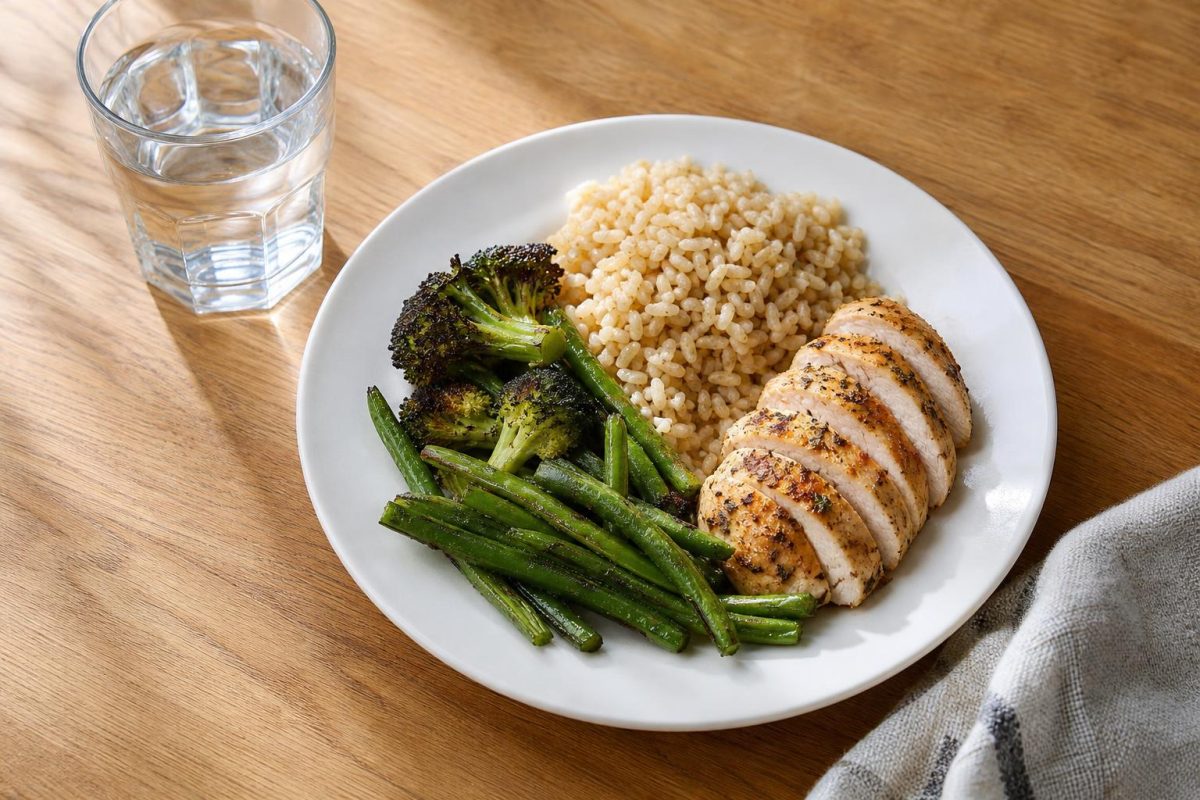
The diabetes plate method is a simple way to build a meal without counting every gram of carbohydrate. The American Diabetes Association (ADA) created it as a visual guide. Use a 9-inch plate, fill half of it with non-starchy vegetables, fill one quarter with lean protein, and fill the last quarter with carbohydrate foods. Add water or a zero-calorie drink on the side, and you have a balanced meal.
What is the diabetes plate method?
The plate method is a portion tool from the American Diabetes Association. You do not need an app, a food scale or measuring cups. You just look at your plate and check the proportions. It helps you keep carbohydrates in a steady amount at each meal, while still getting plenty of fiber, vitamins and protein.
The ADA explains the method in detail on its Diabetes Plate Method page. It is worth reading the original source before you adjust your own plan.
Do not confuse this tool with USDA MyPlate. MyPlate is a general healthy eating guide for the whole population, and it uses a different set of food groups and proportions. The diabetes plate method is designed around blood sugar management, so its focus is on what fills the plate and how much of each section you fill.
Why use a 9-inch plate?
The ADA uses a 9-inch plate as its reference size. Many dinner plates are 10 or 12 inches across, and a bigger plate makes it easy to load on more food than you planned. A 9-inch plate keeps the picture simple. If your plates are larger, you can still use the same halves and quarters, but you may want to fill a little less of each section.
Start by choosing one plate for everyday meals. Using the same plate makes it easier to judge portions over time, and it works well for family dinners too.
How to fill each section of the plate
Half the plate: non-starchy vegetables
Non-starchy vegetables are the biggest part of the plate. They add volume, fiber and color, and they usually have fewer carbohydrates per bite than starchy foods. Good choices include:
- Broccoli, cauliflower and green beans
- Spinach, kale and mixed salad greens
- Bell peppers, zucchini and cucumber
- Tomatoes, mushrooms and asparagus
If you are cooking for a crowd, roast two or three vegetables on one pan. Roasting brings out sweetness without adding sugar. A simple side like Parmesan Roasted Brussels Sprouts with Garlic can take up half the plate on its own.
One quarter of the plate: lean protein
Protein helps you feel full and supports your muscles. Choose lean options, and cook them with little added fat. Some examples are:
- Skinless chicken or turkey breast
- Fish such as cod or salmon
- Eggs or egg whites
- Tofu, tempeh or lentils
- Lean cuts of beef or pork, trimmed of visible fat
A chicken breast seasoned with lemon and herbs is a natural fit here. Try Baked Lemon Herb Chicken Breast with Thyme, Oregano and Pan Juices for a protein that goes well with vegetables.
One quarter of the plate: carbohydrate foods
This section holds the foods that affect blood sugar the most. Keep the portion to one quarter of the plate, and choose whole or minimally processed options when you can. Examples include:
- Brown rice, quinoa or farro
- Whole grain pasta or whole grain bread
- Beans, peas and corn
- Starchy vegetables such as sweet potato or winter squash
- A small piece of fresh fruit
Starchy vegetables belong in this quarter, not in the half that is reserved for non-starchy vegetables. That is an easy place to make a mistake, so keep it in mind when you plate your food.
Add a water or zero-calorie drink
Water, sparkling water, unsweetened tea or coffee, and diet drinks all work well with the plate. Sugary drinks can raise blood sugar quickly, so they are not a good match for this method.
A sample plate
Imagine a dinner with a piece of baked chicken on one quarter of the plate, a cup of roasted broccoli and green beans filling half, and a half cup of brown rice on the last quarter. Add a glass of water, and the meal is complete. Swap the rice for quinoa or a small sweet potato, and you can change the dish without changing the balance.
Building a plate with Diabetic Plate dinners and sides
Diabetic Plate recipes are written to fit the plate method. Most dinners give you a protein centerpiece, and most side dishes give you vegetables or a smaller carbohydrate portion. Here is how they can work together:
- For a fish dinner, try Zesty Lemon Pan-Seared Cod Roasted Veggies. The vegetables can fill the half plate, and the cod covers the protein quarter.
- For a quick side, add Mixed Green Salad with Dijon Herb Vinaigrette to your plate. Salad greens are a simple way to fill half the plate with very little effort.
- For more ideas, browse the Diabetic Dinner Recipes collection and the Diabetic Side Dishes collection. Look for dishes that already have a vegetable base and a clear protein.
Each recipe page lists net carbohydrates, which is total carbohydrates minus fiber. Net carbs is a helpful way to compare foods, but it is not an official term defined by the FDA. Use it as one tool, not the only one, and check the label on packaged foods.
Using the diabetes plate method at restaurants
Restaurant meals are often large, and the plate can look very different from what you cook at home. You can still use the method. Here are some practical steps:
- Look at the menu for grilled or baked proteins, such as fish, chicken or lean steak.
- Ask for a double vegetable side or a side salad instead of fries or chips.
- Request dressing and sauces on the side so you can control how much you use.
- Choose a small portion of rice, potatoes or bread, or share a starchy side with your table.
- Pack half of the meal in a container before you start eating, so you have a planned lunch the next day.
If you are not sure how a dish is made, ask your server. Most kitchens are happy to explain their cooking methods.
Using the plate method during holidays
Holidays bring many dishes to one table, and it can be hard to know where to start. The plate method gives you a simple order of operations. First, fill half your plate with vegetables and salad. Next, add a palm-sized portion of protein, such as turkey or ham. Then add a small serving of your favorite carbohydrate dishes.
Many traditional sides can fit the method with a few changes. For example, Sugar-Free Cranberry Sauce with Orange can be used in place of a sweetened version. You can also browse the Diabetic Holiday Recipes collection for dishes built for big gatherings.
Try a few small habits as well. Start with vegetables so they are not crowded out later. Taste the dishes you care about most, and let go of the ones you do not. Keep your portions modest, and drink water between servings.
Common mistakes to avoid
The plate method is easy to learn, but a few mistakes can throw off the balance:
- Letting starchy foods take over the vegetable half of the plate
- Forgetting the protein quarter and filling the plate with carbohydrates
- Using a much larger plate without adjusting the portions
- Overlooking sauces, dressings and drinks, which add carbohydrates and calories
When you notice one of these habits, adjust at the next meal. Small changes add up over time.
Talk with your care team
The diabetes plate method is general education. It is a helpful starting point, but it is not a personal meal plan. Your needs depend on your medicines, activity level, health history and goals. Talk with your doctor, diabetes educator or a registered dietitian before making big changes to your eating plan. You can find a registered dietitian through the Academy of Nutrition and Dietetics website, Eat Right.
For background on diabetes and nutrition, the MedlinePlus diabetes health topic page from the U.S. National Library of Medicine is a clear, reliable place to start.
Frequently asked questions
Is the diabetes plate method only for people with diabetes?
The method was created for people with diabetes, but many people use it to build balanced meals. If you are not sure whether it fits your needs, ask your care team.
Can I use a bigger plate?
You can, but a 9-inch plate is the reference size. If you use a larger plate, keep the same halves and quarters, and watch your portions carefully.
Do I still need to count carbs if I use the plate method?
The plate method is a visual tool that makes carbohydrate portions easier to manage. Some people also count carbs, and your care team can tell you whether counting is right for you.
Are potatoes a vegetable on the plate method?
Potatoes are starchy, so they belong in the carbohydrate quarter, not the non-starchy vegetable half. Non-starchy vegetables include broccoli, green beans, salad greens and peppers.
This article is for general information, not medical advice. Talk with your care team before changing your treatment or diet.