Diabetic Thanksgiving Tips: A Practical Game Plan for the Day
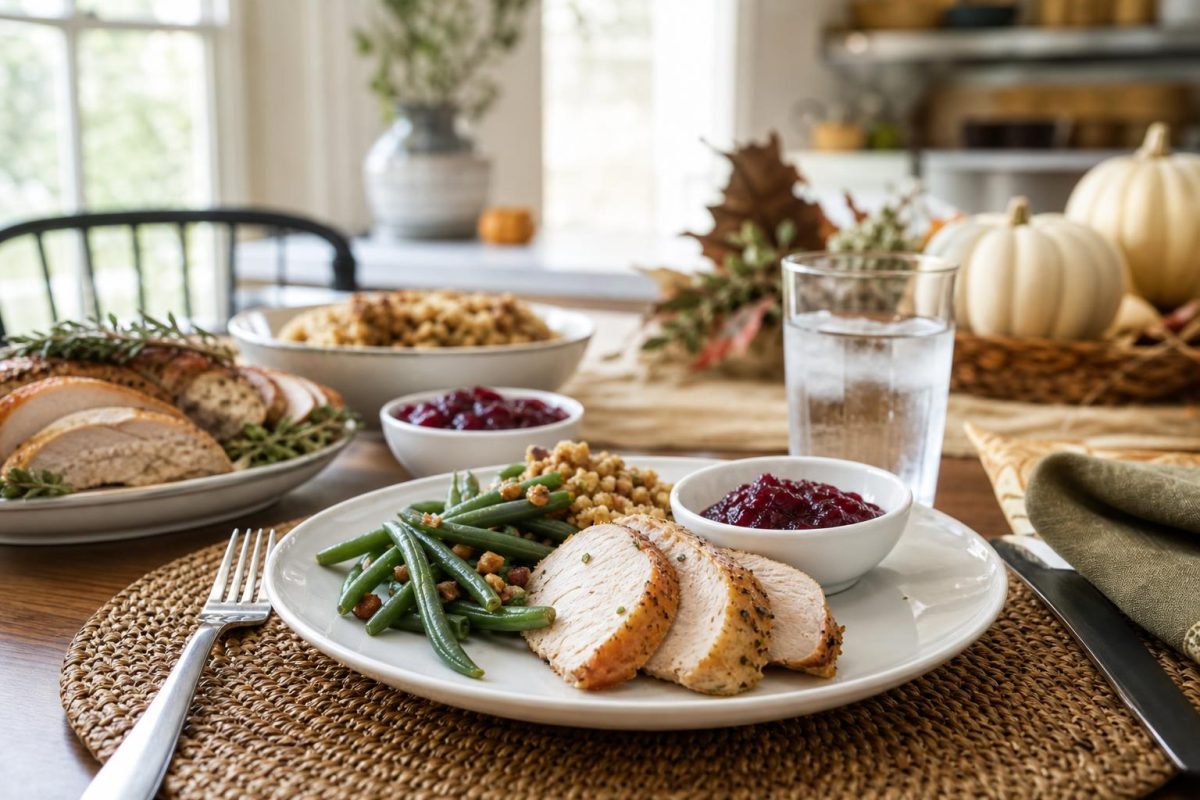
Thanksgiving can feel like a big test if you have diabetes, but it does not have to be. With a little planning, you can enjoy the food, the people and the traditions without feeling stuck. Thanksgiving 2026 falls on Thursday, November 26, so now is a good time to make your game plan. Below you will find practical diabetic Thanksgiving tips that focus on balance, not perfection.
Start the day with a normal breakfast
It is tempting to skip breakfast so you can save room for dinner. For many people with diabetes, that plan backfires. Going too long without food can leave you hungry, shaky or tempted to overeat later in the afternoon. A regular breakfast with some protein, fiber and healthy fats can help you feel steady as the day goes on.
Think of your morning meal as a normal weekday breakfast. Eggs with vegetables, a bowl of plain Greek yogurt with berries, or a simple omelet can all work well. If you take medication that affects blood sugar, talk with your care team before the holiday about what to do with meals and timing. Do not change your medicine or insulin on your own.
Use the Diabetes Plate Method at the feast
The American Diabetes Association offers a simple way to build a meal called the Diabetes Plate Method. It is a visual guide, so you do not need to count every bite. Here is how it works:
- Fill half your plate with non-starchy vegetables, such as green beans, salad greens, Brussels sprouts or roasted peppers.
- Fill one quarter with lean protein, such as turkey breast, chicken or fish.
- Fill one quarter with carbohydrate foods, such as sweet potatoes, stuffing, rolls or mashed potatoes.
- Add water or another zero-calorie drink on the side.
You can learn more about this approach on the American Diabetes Association Diabetes Plate Method page. Please note that this is different from the USDA MyPlate guide, which is a general healthy eating guide for everyone. The Diabetes Plate Method was designed with diabetes in mind, so it is the better fit for planning your holiday plate.
Start with the vegetables so they take up the most space. Then add turkey, and finally choose a modest portion of the starchy sides. You can still have a little of everything you love. The goal is to let the vegetables and protein do the heavy lifting so your portion of carbohydrates is easier to manage.
Smart swaps for classic Thanksgiving sides
You do not have to give up your favorite dishes. Many classic sides can be made with simple changes that keep the flavor and lower the carbohydrates. Here are some swaps to consider.
Sweet potato casserole
Traditional sweet potato casserole is often loaded with sugar and marshmallows. Try a version that uses cauliflower to bulk up the dish and a lighter pecan topping. Our sweet potato casserole with cauliflower and pecan topping is a good place to start. The recipe page lists its net carbohydrate count so you can plan your portion.
Cranberry sauce
Canned or store-bought cranberry sauce is usually very sweet. A homemade version lets you control the sugar and add orange for brightness. Our sugar-free cranberry sauce with orange is simple to make ahead, which also frees up time on the big day.
Stuffing
Stuffing can be one of the most carbohydrate-heavy items on the table. Try a mushroom-based version with fresh herbs. Our mushroom sage stuffing with orange peel and shiitake keeps the savory comfort you expect with more texture from the mushrooms.
Mashed potatoes
Cauliflower can stand in for part or all of the potatoes in many recipes. It has a mild flavor that takes well to butter, garlic and Parmesan. Our cauliflower mashed potatoes with Parmesan and garlic is a popular swap that many people find just as comforting as the original.
The turkey
Turkey is naturally a lean protein, which makes it a great fit for the protein quarter of your plate. Roasting a whole bird takes hours and a lot of oven space, so you might also consider a smaller cut. Our honey mustard glazed air fryer turkey breast uses a sugar-free glaze and can free up your oven for other dishes.
Dessert
You can still enjoy pie. A no-bake version with an almond flour crust and a sugar-free filling can satisfy the craving without the heavy sugar load. Our no-bake sugar-free pumpkin pie with almond flour crust is a make-ahead option that fits well into a busy holiday schedule.
Keep in mind that net carbohydrates are total carbohydrates minus fiber. This is a helpful way to think about food, but it is not an official term defined by the FDA, so always check the full nutrition label and talk with your dietitian or care team about your own targets.
Go easy on alcohol, and know why
Many people enjoy a glass of wine or a cocktail at a holiday meal. If you have diabetes, alcohol needs extra thought. It can cause blood sugar to drop, sometimes many hours after you drink, and it can make the early signs of a low harder to notice. Some drinks also contain a lot of sugar.
If you choose to drink, eat food with it, keep track of how you feel, and check your blood sugar as your care team has recommended. Choose drinks with less sugar when you can, and keep water in your hand between sips. If you have questions about alcohol and your specific medicines, ask your care team before the holiday. You can read general information about diabetes and daily choices on the CDC diabetes page.
Take a walk after the meal
A relaxing walk after dinner is one of the simplest habits you can add to the day. Moving your body helps your muscles use glucose from your blood, and it gives you a chance to step away from the table and enjoy time with family. A walk around the block, a stroll through the neighborhood or a game of catch in the yard all count.
Physical activity is a well-known part of diabetes care. The American Diabetes Association has general information on how activity fits into daily life. If you have heart, joint or other health concerns, check with your care team before starting any new routine.
Check your blood sugar more often
Holiday meals often change your usual rhythm. Meals may be later than normal, portions may be larger, and the day may be full of snacking. For these reasons, you may want to check your blood sugar more often than usual. Many people check before the meal, a little after they eat, and again before bed. You should also check any time you feel unwell, shaky, very thirsty or unusually tired.
Keep your supplies, snacks for lows and your phone or meter where you can reach them. Tell a family member or friend where your supplies are in case you need help. Talk with your care team ahead of time about what to do if your sugar goes higher or lower than expected. Only your care team can tell you how to adjust your insulin or other medicines.
Plan your leftovers with care
Leftovers are one of the best parts of Thanksgiving, but they need careful handling. Store cooked food in shallow containers and refrigerate it promptly, generally within two hours of cooking. The foodsafety.gov website has clear guidance on storing and reheating leftovers safely.
For a lighter option the next day, try a turkey cranberry salad. Our turkey cranberry salad with pecans and celery turns extra turkey into a quick lunch, and it is a good way to use up the sugar-free cranberry sauce you made earlier.
Frequently asked questions
Can I eat Thanksgiving dinner if I have diabetes?
Yes, most people with diabetes can enjoy Thanksgiving dinner. The key is to plan ahead, fill your plate with vegetables and protein, choose smaller portions of starchy sides, and keep an eye on your blood sugar. Your care team can help you build a plan that fits your needs.
Should I skip breakfast on Thanksgiving to save room for dinner?
Skipping breakfast is not usually a good idea. Eating a regular breakfast can help you feel steady and reduce the urge to overeat later. If you have questions about meal timing and your medicines, talk with your care team before the holiday.
Is the Diabetes Plate Method the same as MyPlate?
No. The Diabetes Plate Method comes from the American Diabetes Association and is designed for people managing diabetes. USDA MyPlate is a general guide to healthy eating for the public. Both can help you make balanced choices, but they are different tools.
Can I drink alcohol at Thanksgiving if I have diabetes?
You can talk with your care team about whether alcohol is a good choice for you. If you do drink, eat food with it, go easy, and check your blood sugar as recommended. Alcohol can raise the risk of low blood sugar, so do not drink on an empty stomach.
This article is for general information, not medical advice. Talk with your care team before changing your treatment or diet.