DessertsLow-fat friendly
Holiday Eating with Pancreatitis: Lower-Fat Tips
If you have chronic pancreatitis and type 3c diabetes, holiday eating with pancreatitis can feel like a balancing act. The good news is you do not have to skip the big meal. Many people find that a few lower-fat choices make a real difference in how they feel afterward. This guide explains why fat matters, where holiday food tends to hide it, and simple swaps you can use at the table.
Why fat matters in holiday eating with pancreatitis
Fat takes longer to digest than protein or carbohydrates. In a healthy digestive system, the pancreas releases enzymes that help break down fat so your body can use it. When chronic pancreatitis has damaged the pancreas, that process can be less efficient. Many people with chronic pancreatitis find that large, high-fat meals lead to bloating, cramping, nausea or greasy stools. The National Pancreas Foundation offers general education about pancreas health and living with pancreatitis.
Every person is different. Some people can handle more fat than others, and your tolerance may change over time. That is why it helps to track what you eat and how you feel, then share those notes with your care team.
Why holiday meals are often high in fat
Holiday food is often cooked with rich ingredients. A single plate can include several high-fat items before you even reach dessert. Common culprits include:
- Gravy made with pan drippings and butter
- Mashed potatoes finished with butter and cream
- Creamy casseroles and cheesy side dishes
- Fried appetizers and crispy skin
- Buttery rolls and stuffing
- Pecan pie, pie crusts and rich desserts
- Eggnog and other creamy drinks
Because these foods are so common at the holidays, it helps to plan ahead rather than hoping you will make good choices in the moment.
Practical lower-fat swaps for the holiday table
Choose skinless white meat
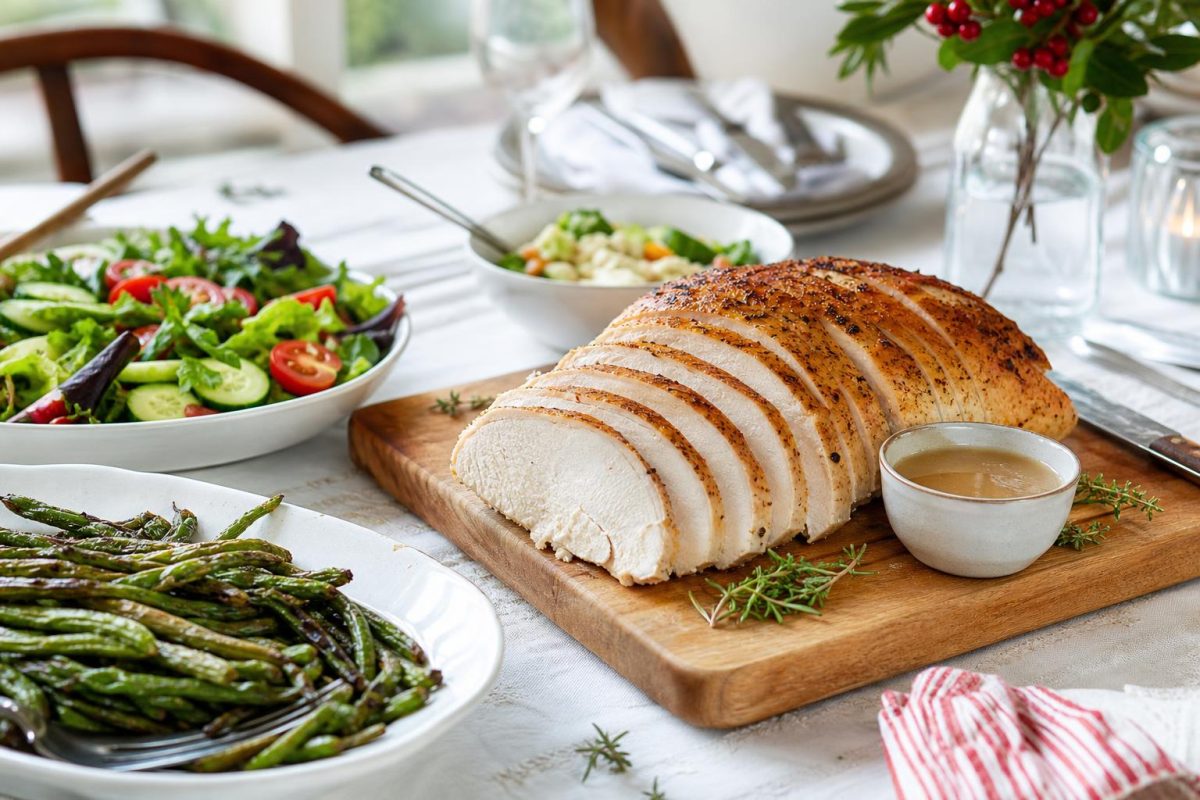
Turkey breast is usually leaner than dark meat, and removing the skin cuts down on fat quickly. If you are cooking, try a boneless turkey breast. This Instant Pot Boneless Turkey Breast with Sage and Thyme Gravy is a good example of a main dish built around lean white meat. If someone else is cooking, you can simply take a piece without the skin.
Skim the gravy
Gravy is one of the easiest places to cut fat. Let the drippings sit for a few minutes so the fat rises to the top, then spoon off as much as you can. You can also ask for gravy on the side and use just a small spoonful. A thin, lightly seasoned sauce is often enough to flavor your plate.
Pick lighter sides
Sides can add up fast, so look for options that are built on vegetables. Roasted or steamed vegetables cooked with a small amount of oil usually carry less fat than casseroles finished with butter and cheese. If you want a creamy side, try this Holiday Creamed Spinach with Garlic and Light Cream Cheese. Using a smaller scoop and filling the rest of your plate with non-starchy vegetables can also help.
Keep dessert portions small
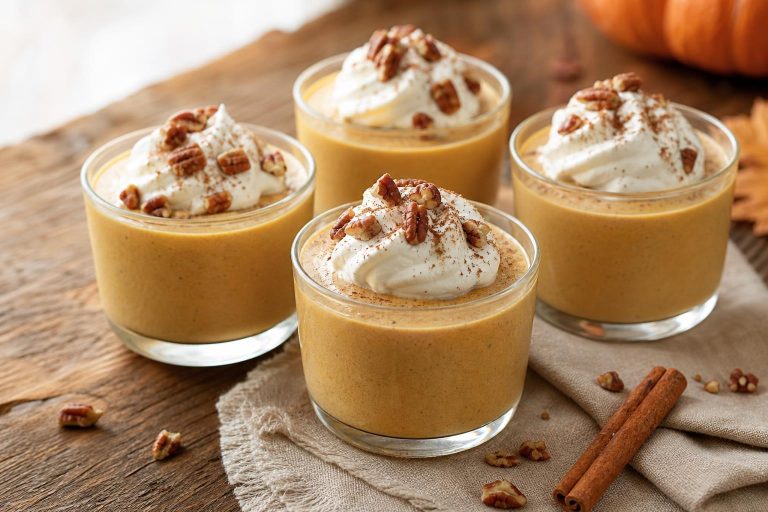
You do not have to give up dessert. Instead, choose one favorite and eat a small slice or a small spoonful. Pecan pie is especially rich because of its nut and butter filling. For a lighter option, you might enjoy these Sugar-Free Pecan Pie Bars with Almond Flour Crust in a small portion. Savor it slowly and stop when you feel satisfied.
Spread your eating through the day
Large holiday meals can be hard on any digestive system, especially if you have chronic pancreatitis. Many people find it easier to eat smaller amounts more often rather than one very big plate. You might try:
- Eating a light, balanced breakfast so you do not arrive at the meal very hungry.
- Having a small snack, such as vegetables with a yogurt dip, before you head to the gathering.
- Filling your plate with vegetables and lean protein first, then adding smaller portions of richer foods.
- Waiting 20 to 30 minutes before going back for seconds, so you can notice how you feel.
- Saving leftovers in shallow containers in the fridge soon after the meal. The USDA food safety storage charts list general guidelines for how long different foods keep.
For more ideas on building plates that feel satisfying, see our guide to the Diabetes Plate Method. The American Diabetes Association created this method to help people fill half the plate with non-starchy vegetables, a quarter with lean protein and a quarter with carbohydrate foods. You can read more about it from the American Diabetes Association.
Go easy on alcohol
Holiday gatherings often include wine, cocktails, punch or eggnog. Alcohol is a well-known trigger for pancreatitis flares, and it can also affect blood sugar in ways that are hard to predict. Many people with pancreatitis choose to skip alcohol altogether. If you do drink, talk with your care team first and keep your amount small. Sparkling water with fruit, unsweetened iced tea or a zero-calorie drink can help you feel included without the risk.
Enzymes, insulin and your care team plan
Tim Lunsford, who has lived with insulin-dependent type 3c diabetes since 2010, takes pancreatic enzymes with meals. Type 3c diabetes is caused by chronic pancreatitis, and it affects both digestion and blood sugar. You can learn more about it in our article on what type 3c diabetes is and how it affects daily life.
This article is general education only and is not medical advice. Do not change your enzymes, insulin or other medicines based on anything you read here. Follow the plan your care team has given you, including how and when to take enzymes with food. If holiday meals regularly leave you in pain, vomiting or unable to keep food down, contact your doctor promptly. The CDC healthy eating guidance for diabetes is another helpful general resource to review with your team.
Plan your holiday menu ahead
Planning makes lower-fat eating much easier. Pick your main dish, choose two or three vegetable sides, and decide on one dessert before the day arrives. You can browse our diabetic holiday recipes for ideas, or look through low-fat diabetic recipes for everyday meals that fit well into a holiday plan. If you need a full day strategy, our diabetic Thanksgiving game plan walks through timing and portions.
Remember that one meal does not define your health. Focus on the choices you can make, enjoy the people around you, and check in with your care team about what works for your body.
Frequently asked questions
Can I still enjoy holiday food with chronic pancreatitis?
Yes. Many people enjoy holiday meals by choosing leaner proteins, skimming fat from gravy, keeping portions small and saving richer foods for a small taste. Talk with your care team about which foods work best for you.
Is turkey breast a good choice for a lower-fat holiday meal?
Skinless white meat is usually leaner than dark meat or skin-on pieces. It is a common choice for people trying to lower fat intake, but your care team can tell you what amounts make sense for you.
Should I take enzymes before a holiday meal?
Only follow the enzyme plan your care team has given you. Do not change how or when you take enzymes based on this article or on what others do. If you have questions about a large or unusual meal, ask your care team before the day.
Is alcohol safe with pancreatitis during the holidays?
Alcohol is a known trigger for pancreatitis flares for many people. Ask your care team whether any alcohol is appropriate for you. Many people choose to skip it, and non-alcoholic drinks can still feel festive.
This article is for general information, not medical advice. Talk with your care team before changing your treatment or diet.