Walking After Eating: How a Short Walk Helps Blood Sugar
Walking after eating is one of the simplest habits you can add to your day, and it may help your blood sugar after a meal. A short walk of about 10 to 15 minutes can give your muscles a reason to pull glucose from your bloodstream. That makes it a practical idea for Thanksgiving Day, when the big dinner often arrives later than usual and the table is loaded with carbohydrates.
This article explains the general idea behind walking after eating, shows you how to make it a family tradition, offers indoor options for cold weather, and covers the safety steps to take if you use insulin. It is general education, not medical advice. Talk with your care team before you start any new exercise routine.
Why walking after eating may help blood sugar
When you eat, your blood sugar naturally rises. Your body releases insulin to move that glucose into cells, where it can be used for energy. Your muscles play a big part in this process. When they contract during activity, they can take up glucose without needing as much insulin to do the job. That is why light movement after a meal is often recommended as a way to support blood sugar management.
The National Institute of Diabetes and Digestive and Kidney Diseases explains how physical activity fits into diabetes care in its overview of diabetes on the NIDDK website. You can read it to learn more about how movement, food and medicine work together.
Walking is a good choice for most people because it is easy to do, does not require special equipment and can be adjusted to your ability. You do not need to run or work up a sweat. A relaxed pace that lets you talk in full sentences is often enough.
How long should a post-meal walk be?
A short walk of 10 to 15 minutes is a friendly place to start for many people. You do not need to walk for an hour to get a benefit. Shorter walks done consistently may be easier to stick with than long walks you only manage once in a while.
Many people find it helpful to start walking within 30 minutes of finishing a meal. Your timing may look different depending on your daily routine, your meal schedule and any medicines you take. Your care team can help you figure out what works best for you.
Start small and build slowly
If you are new to walking after meals, start with just five minutes and add a few minutes each week. Keep your pace comfortable. Choose flat, familiar routes at first. Wear shoes that fit well and support your feet. Bring water with you, especially if the weather is warm or you are walking for longer.
Small steps add up. A short walk after lunch and another after dinner can be a realistic goal for many people. The best routine is the one you can keep doing week after week.
Making a post-meal walk a family tradition
Thanksgiving is a natural time to start something new together. A family walk after the big meal can be a relaxing way to spend time with the people you love, and it gives everyone a reason to step away from the dessert table for a few minutes.
Here are some ideas to make it a tradition:
- Pick a meeting spot. Ask everyone to gather at the front door at a set time, such as 30 minutes after the meal.
- Create a loop. Choose a short route around the block, a nearby park path or a quiet neighborhood street that everyone can handle.
- Make it a game. Count houses with the prettiest holiday lights, spot the first bird of winter or see who can name the most colors of fall leaves.
- Bring the kids and the grandparents. Use a slower pace so everyone can join in, and take breaks on benches when needed.
- Share a warm drink afterward. A cup of hot tea or a glass of water makes a nice ending to the walk.
Traditions work best when they feel easy and fun. Let the walk be a time to talk and laugh, not a chore.
Indoor walking options when it is cold
Cold weather, rain or a crowded house can make an outdoor walk hard to fit in. Indoor options can still give you the same general benefit of light movement after eating.
- Walk laps around the main floor of your home, including hallways and stairs if they are safe for you.
- Invite guests to join you for a loop through the living room, dining room and kitchen.
- Do gentle standing movements, such as marching in place, slow arm circles or light squats if your body allows them.
- Dance to a few favorite songs while you clean up. Cleaning up counts as light activity too.
- Walk the length of a shopping mall or a community center if the weather is bad and you have access to one.
If you have balance concerns, joint pain or other health issues, choose seated or standing movements you can do safely. Ask your care team which options fit your needs.
Walking and blood sugar safety if you use insulin
If you use insulin or take other medicines that can lower blood sugar, extra activity can change your numbers. Walking may increase the chance of low blood sugar, sometimes called hypoglycemia, especially if you are walking more than usual or if your meal was light.
Do not change your insulin or any other medicine on your own because you plan to walk. Work with your care team to make a plan that fits your situation. Before you head out, you may want to check your blood sugar and bring a fast-acting source of glucose, such as glucose tablets or juice, in case you need it.
Know the common signs of low blood sugar, including:
- Shakiness or trembling
- Sweating or chills
- A fast or pounding heartbeat
- Hunger or nausea
- Irritability, confusion or trouble concentrating
- Blurred vision or unusual tiredness
If you feel any of these signs, stop walking, check your blood sugar if you can, and treat a low right away as your care team has taught you. Tell someone nearby what is happening. The MedlinePlus diabetes health topic page has more information on diabetes basics from the U.S. National Library of Medicine, which can help you learn more about symptoms and care.
Walking with a friend or family member is a good idea if you use insulin. Let them know where you are going and what to do if you feel unwell.
Check with your care team before starting new exercise
Before you begin any new exercise routine, talk with your doctor or diabetes care team. This is especially important if you have heart disease, nerve problems in your feet, eye concerns, kidney issues, joint pain, or if you have not been active for a long time. Your team can tell you what is safe for you and how to adjust your plan over time.
Tim Lunsford, the founder of Diabetic Plate, has lived with insulin-dependent Type 3c diabetes since 2010. You can read more about that experience and what Type 3c diabetes involves in this guide to Type 3c diabetes. Tim is not a doctor, dietitian or chef, so always rely on your own care team for personal decisions.
Pair your walk with a balanced Thanksgiving plate
A post-meal walk works best alongside a meal that is balanced to begin with. The American Diabetes Association offers a simple visual guide called the Diabetes Plate, which suggests filling half your plate with non-starchy vegetables, a quarter with lean protein and a quarter with carbohydrate foods. You can learn more about it on the American Diabetes Association Food Hub page about the Diabetes Plate.
If you are planning your holiday menu, these recipes may help you build a balanced table:
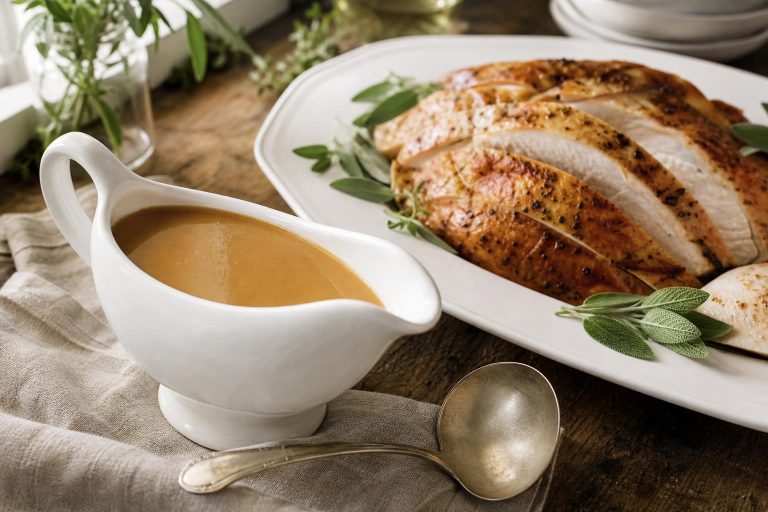
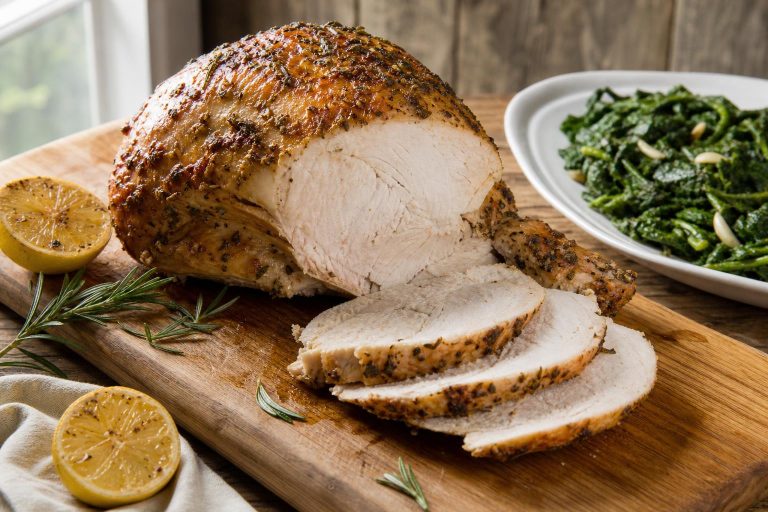
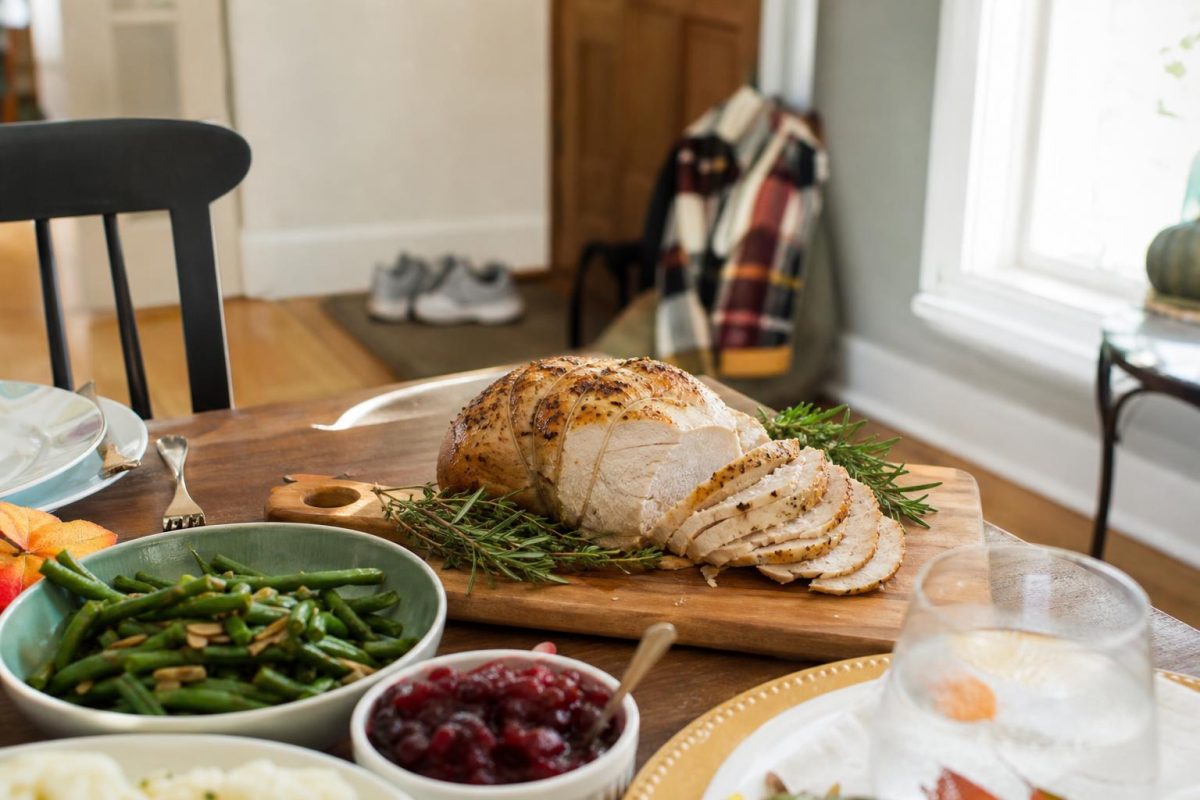
- Instant Pot Boneless Turkey Breast with Sage and Thyme Gravy gives you a lean protein centerpiece with a savory gravy.
- Mushroom Sage Stuffing with Orange Peel and Shiitake adds a classic flavor with a twist.
- Sugar-Free Cranberry Sauce with Orange brings color and tang to the plate.
For more ideas, browse the Diabetic Holiday Recipes collection. If you want a full game plan for the day, read our practical Thanksgiving tips before the meal starts.
Making walking a daily habit beyond the holidays
Once Thanksgiving is over, you can keep the habit going. Try a short walk after your most carb-heavy meal, or after the meal you find hardest to manage. Keep a simple log of how you feel and what you did, and share it with your care team at your next visit. Over time, you may notice patterns that help you plan better meals and activity.
If you want help planning meals that fit your routine, the free 7-day diabetic meal plan is a useful starting point. You can also use the Diabetes-Friendly Basics section to learn more about everyday habits.
The bottom line on walking after eating
A short walk after eating is a simple, low-cost habit that may support blood sugar by helping your muscles use glucose. Start small, keep it enjoyable and make it a family tradition if that fits your life. If you use insulin, plan ahead, know the signs of low blood sugar and check with your care team before you make big changes.
Frequently asked questions
How soon after eating should I walk?
Many people start walking within about 30 minutes after a meal. The best timing depends on your routine and your medicines, so ask your care team for guidance that fits you.
Is a 10 to 15 minute walk enough?
For many people, a short walk is a good place to begin. You can build up gradually as your body adjusts. Your care team can help you decide how much activity is right for you.
What if it is too cold to walk outside?
Indoor options like walking laps around your home, marching in place or dancing for a few songs can still help you move after eating. Choose activities that are safe for your body.
Should I check my blood sugar before a post-meal walk?
If you use insulin or other medicines that can cause low blood sugar, talk with your care team about whether to check before walking and what to carry with you. Do not change your medicine without guidance from your team.
This article is for general information, not medical advice. Talk with your care team before changing your treatment or diet.