Type 5 Diabetes and What You Need to Know

A New Chapter in Diabetes: Understanding the Emerging “Type 5” Diagnosis
For years, most people have been familiar with the main forms of diabetes—Type 1, Type 2, gestational diabetes, and the less commonly discussed Type 3c. But in 2025, something significant happened in the medical world. A new form of diabetes, now being referred to as Type 5, has gained formal recognition from the International Diabetes Federation (IDF), sparking renewed conversation across the global health community.
What makes this development so important is that this condition isn’t actually new. It was first identified as far back as 1955 in Jamaica, but over time, it faded from mainstream medical focus. In fact, after years of debate and uncertainty, the World Health Organization removed its classification in 1999 due to a lack of clear evidence. Now, decades later, new research is bringing it back into the spotlight.
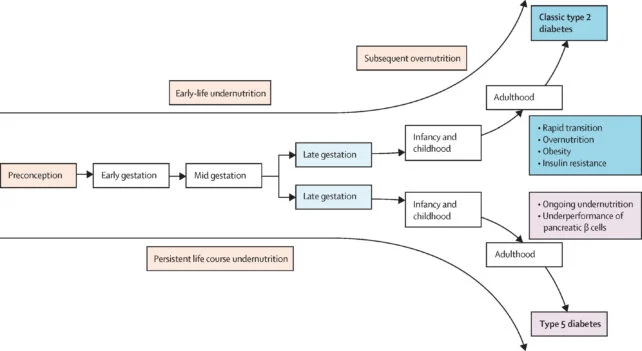
Type 5 diabetes, previously known as malnutrition-related diabetes mellitus (MRDM), appears to be fundamentally different from the other types. While Type 1 is an autoimmune condition and Type 2 is largely linked to insulin resistance, Type 5 is believed to stem from long-term nutritional deficiencies that impact the development and function of the pancreas.
This distinction is critical. Unlike Type 2 diabetes, where insulin resistance is the main issue, individuals with Type 5 diabetes may still respond to insulin. At the same time, they may not produce enough of it—creating a unique metabolic situation that doesn’t fit neatly into existing treatment models.
That’s where things become complicated. Because this form of diabetes has often been misdiagnosed as either Type 1 or Type 2, patients may receive treatments that aren’t appropriate for their condition. In some cases, standard insulin therapies could even lead to dangerous drops in blood sugar levels, especially in areas where consistent nutrition and glucose monitoring are not guaranteed.
Related: The ‘Other Diabetes’ Has Nothing to Do With Blood Sugar
Globally, Type 5 is thought to affect millions of people, particularly in regions facing food insecurity. Many cases are believed to occur in parts of Asia, Africa, and other developing regions where chronic undernutrition is more common. However, experts are beginning to point out that this issue isn’t limited to those areas alone. With rising economic and environmental challenges, undernutrition is becoming a concern in more regions around the world.
One of the biggest challenges with Type 5 diabetes is that it has remained under-recognized for so long. Without a formal classification, it has been difficult to secure funding for research, establish clear diagnostic criteria, or develop effective treatment guidelines. That’s why the IDF’s decision to officially recognize it is such a turning point.
To move things forward, a global working group has been formed to better understand this condition. Their goal is to define how Type 5 should be diagnosed, determine the safest and most effective treatments, and build a global registry to track cases and outcomes.
For those living with diabetes—or caring for someone who is—this news is a reminder that the condition is not one-size-fits-all. Understanding the root cause of blood sugar issues is essential for proper treatment, and as research continues, we may see more personalized approaches to managing diabetes across all types.
As awareness grows, the hope is that Type 5 will no longer go overlooked. With better recognition comes better care, and ultimately, better outcomes for millions of people who may have been misdiagnosed or misunderstood for far too long.
Looking for safe and healthy diabetic meals?