Low Carb Snacks for Diabetics That Actually Keep You Full
Low carb snacks for diabetics can be a practical tool for staying satisfied between meals. The best ones are built around protein and fiber, not just a low number on the label. When you pair those two nutrients, a small snack is more likely to carry you to your next meal without a crash of hunger or a trip to the vending machine.
This guide explains why protein and fiber matter, how to size your snacks, which grab-and-go options work well, what to look for on packaged foods, and when a snack is helpful versus when you can skip it. It is general education, not medical advice. Your care team can help you decide what fits your meal plan, medications and goals.
Why protein and fiber matter in a snack
Think of protein and fiber as the two parts of a snack that do the most work for fullness. Protein tends to make people feel satisfied for longer than a snack made mostly of refined starch or sugar. Fiber adds bulk and digests slowly, which can help a snack feel more substantial.
Carbohydrates still matter. Your body turns carbs into blood sugar, so the amount and type of carbs in a snack affect how your glucose responds. The goal is not to avoid carbs completely. It is to choose carbs that come with fiber, and to pair them with protein or healthy fats when you can.
For example, an apple by itself is a fine choice for many people. An apple with a spoonful of peanut butter adds protein and fat, which can make the snack last longer. A handful of crackers made from refined flour is a different story. It may taste good, but it often leaves people hungry again soon after.
A quick way to think about snack balance
- Start with a protein: eggs, Greek yogurt, cheese, nuts, seeds, jerky or edamame.
- Add a fiber-rich food: vegetables, berries, chia seeds, chickpeas or whole fruit.
- Use a small portion of carbs if you want something sweet or crunchy.
Portion tips that keep snacks from sneaking up on you
Snacks are easy to overeat because they are small and often eaten without much thought. A few simple habits can help you stay in control.
- Portion before you start. Measure nuts, cheese and crackers into a bowl or container instead of eating from the bag.
- Use a plate or napkin. Setting food out on a small plate makes it easier to see how much you have eaten.
- Pause before the second helping. Wait a few minutes and check whether you are still hungry or just snacking out of habit.
- Pick a snack that fits your time. A bigger, protein-rich snack makes sense before a workout or when a meal is hours away. A small snack may be enough if lunch is coming soon.
Portion size is personal. What feels like a light snack for one person may be a full serving for another. If you use insulin or other glucose-lowering medicines, talk with your care team about how snacks fit into your plan, especially if you are active or your meal times change.
Grab-and-go low carb snacks for diabetics, grouped by type
Keeping a few ready-to-eat options at home, at work and in your bag makes it much easier to choose well when hunger hits. Here are ideas grouped by the kind of snack you might be craving.
Protein-forward snacks
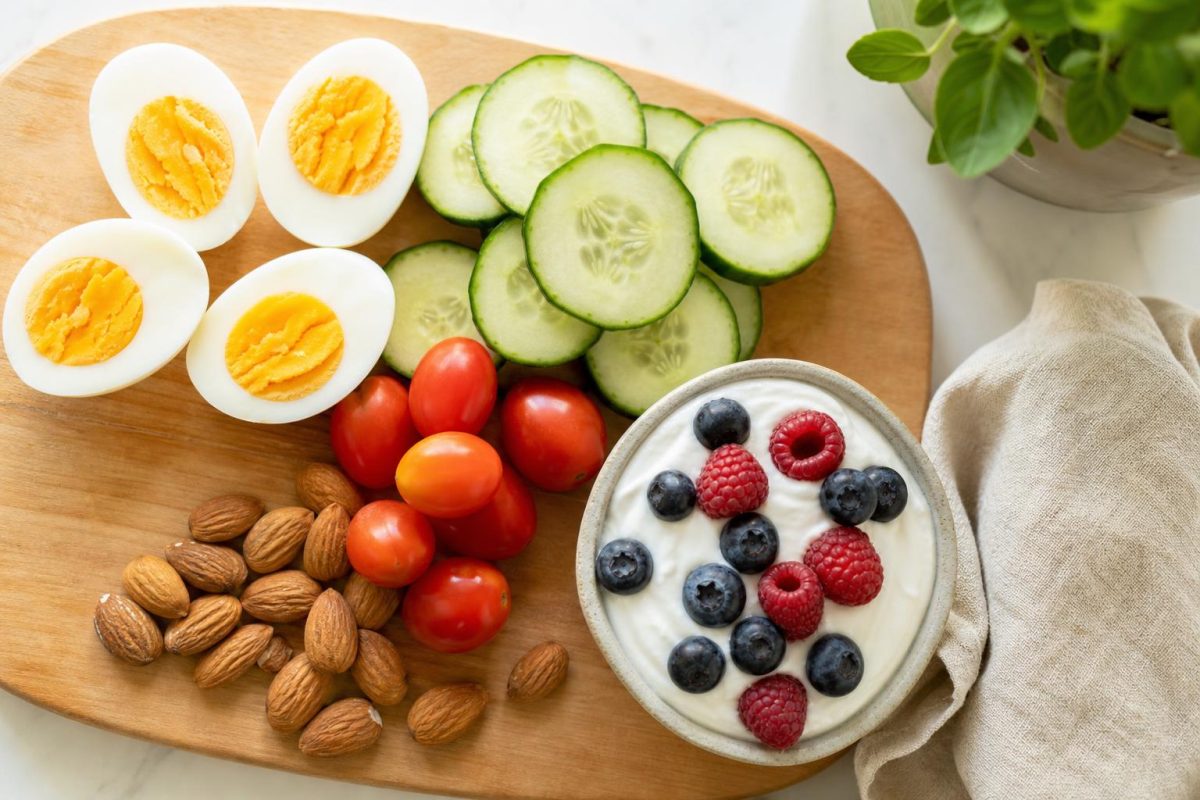
- Hard-boiled eggs with a pinch of salt and pepper
- Plain Greek yogurt with cinnamon and a few berries
- String cheese or cheese cubes with cucumber slices
- Turkey or chicken roll-ups with mustard and spinach leaves
- Roasted edamame lightly salted
If you enjoy a savory egg snack, try a batch of Instant Pot Spinach and Feta Egg Bites. They can be made ahead and stored in the fridge for quick bites during a busy week. You can also browse more options in our High-Protein Diabetic Recipes collection.
Crunchy snacks
- Raw bell pepper strips, cucumber rounds or radishes with hummus
- A small handful of unsalted almonds, pistachios or walnuts
- Roasted chickpeas seasoned with paprika and garlic powder
- Celery sticks with a tablespoon of almond butter
Crunchy foods can feel satisfying, which helps when you are trying to avoid mindless snacking. Nuts are calorie-dense, so measure a small portion. A few nuts go a long way.
Sweet snacks
- A small bowl of berries with unsweetened Greek yogurt
- A square of dark chocolate with a few almonds
- Frozen fruit and yogurt treats made at home
- A homemade energy ball made with nuts, seeds and a little natural sweetness
When you want something sweet, a frozen treat can be a good middle ground. Our Diabetic Friendly Frozen Fruit Yogurt Bites are a simple option to keep in the freezer. For a crunchy sweet bite, try these Crunchy Cranberry Almond Energy Balls with Tahini, which pair nuts and seeds with a bit of fruit. Browse the full Diabetic Snack Ideas page for more choices.
What to watch for on packaged snack labels
Packaged snacks can be convenient, but labels deserve a close look. The U.S. Food and Drug Administration explains how to read the Nutrition Facts label on its food safety and nutrition pages, and it is worth a few minutes of practice.
- Serving size. Many bags contain more than one serving. Check how many servings are in the package before you judge the numbers.
- Total carbohydrates and fiber. Look at both. Fiber helps slow digestion, so a snack with more fiber for the same carbs may be a better pick.
- Added sugars. Sugar can appear under many names, including syrups, juice concentrates and dextrose. Scan the ingredient list, not just the front of the package.
- Protein. A snack with some protein may keep you full longer than one made mostly of refined grains.
- Sodium. Some savory snacks are high in salt. Compare brands and choose lower-sodium options when you can.
- Ingredient order. Ingredients are listed by weight, so the first few tell you what the product is mostly made of.
You may see the term "net carbs" on some products. Net carbs are generally calculated as total carbohydrates minus fiber. This is not an FDA-defined term, so the number can vary between brands and calculation methods. Use it as a rough guide, not a precise measure.
When a snack helps and when you may not need one
A snack is not automatically good or bad. It depends on your schedule, your appetite and your plan.
When a snack can help
- There are more than four or five hours between meals and you feel hungry.
- You are heading into physical activity and your care team has suggested having something on hand.
- You are working on a long day and find it hard to focus when hungry.
- You are trying to avoid grabbing something high in refined carbs out of hunger.
When you may not need one
- You are not hungry and are eating out of boredom, stress or habit.
- Your next meal is soon and you already had a filling breakfast or lunch.
- You are eating a snack only because it is "allowed" and not because your body needs fuel.
If you notice frequent low blood sugar, very high readings or big hunger swings, bring that to your care team. Snack plans should be adjusted with professional guidance, especially if you take medicines that can lower blood sugar. For general background on diabetes and blood sugar, the Centers for Disease Control and Prevention diabetes pages are a helpful starting point.
Simple habits to make low carb snacks easier
- Keep a small stash of protein and fiber foods visible in the fridge.
- Prep two or three snack options on Sunday so you are not starting from scratch.
- Store snacks in single-serving containers.
- Keep a few shelf-stable options, such as nuts and roasted chickpeas, in your desk or car.
- Plan your snacks along with your meals so the day feels balanced. The Free 7-day diabetic meal plan can help you see how snacks fit into a full week.
New to diabetes-friendly eating? Our Diabetes-Friendly Basics page covers the core ideas behind building meals and snacks that work for you. For a broader set of ideas, the American Diabetes Association offers general guidance on healthy eating with diabetes, including its Diabetes Plate Method, which is a separate tool from snacking but a useful companion for meals.
Frequently asked questions
Are low carb snacks for diabetics always the best choice?
Not always. A low carb snack is only helpful if it leaves you satisfied and fits your overall eating pattern. A small serving of fruit with protein can sometimes be a better choice than a very low carb snack that is mostly fat and salt.
How much protein should a snack have?
There is no single number for everyone. Protein needs vary by age, body size, activity and health history. Many people find that a snack with a modest amount of protein, such as eggs, yogurt or cheese, helps with fullness. Your dietitian or doctor can help you set a target.
Are nuts a good snack for people with diabetes?
Nuts can be a useful snack because they provide protein, fiber and healthy fats. They are also calorie-dense, so a measured portion is key. A small handful is often enough.
Should I count net carbs or total carbs?
Ask your care team which method they prefer. Some people use total carbohydrates, while others look at net carbs. Net carbs are not an FDA-defined term, so use the method your care team recommends and check the label yourself.
Can snacks replace meals?
Snacks are meant to bridge the gap between meals, not replace them. If you are skipping meals often, talk with your care team about a schedule that works for you.
With a few smart choices and a little planning, low carb snacks for diabetics can be simple, satisfying and easy to keep on hand. Start with one protein option and one fiber-rich option this week, and build from there.
This article is for general information, not medical advice. Talk with your care team before changing your treatment or diet.