Best Sugar Substitutes for Diabetic Baking: A Holiday Guide
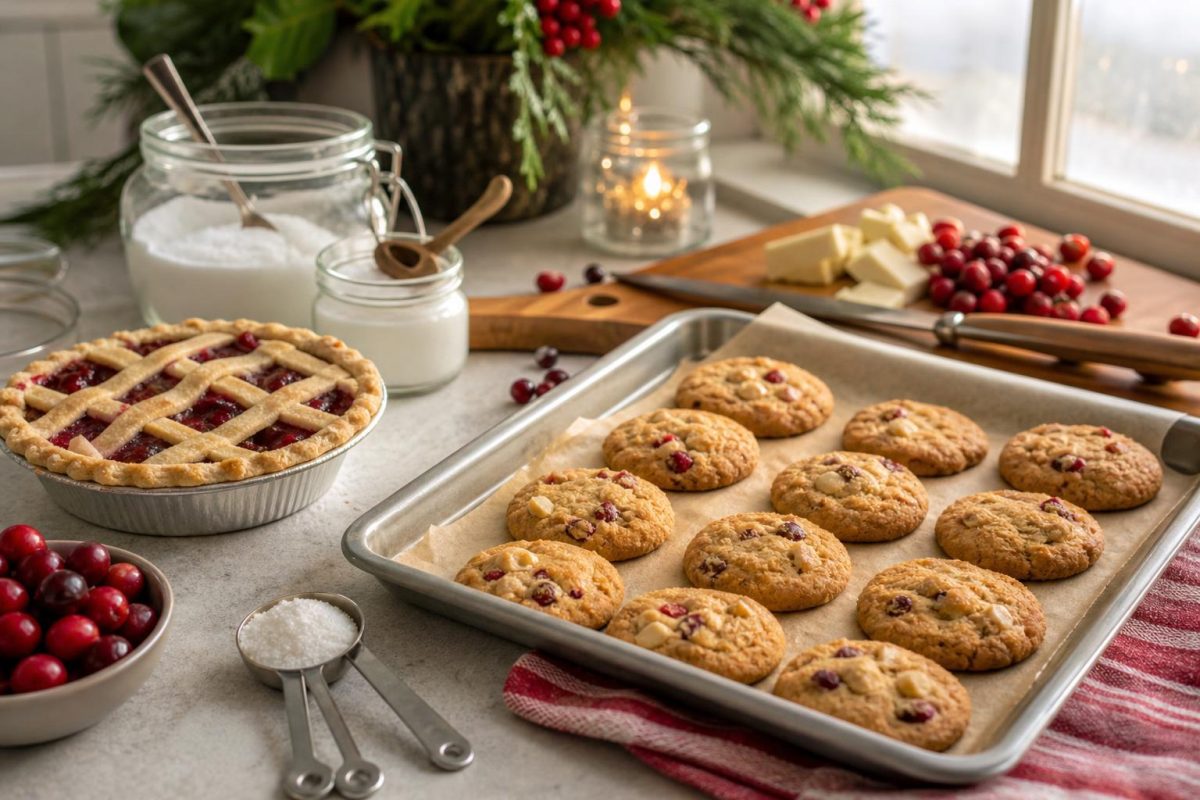
If you are looking for the best sugar substitute for diabetics baking, the honest answer is that no single option wins every time. Each sweetener behaves a little differently in the oven. Some brown like sugar, some leave a cooling aftertaste, and some are so sweet that you only need a pinch. The good news is that you can choose based on what you are baking and how you like the taste.
This guide compares the five options you are most likely to find on store shelves: erythritol, monk fruit blends, allulose, stevia and sucralose. It also covers how they generally affect blood sugar compared with table sugar, why larger amounts of some sugar alcohols can upset your stomach, and simple swaps for pies, cookies and quick breads. You can use this as a holiday planning guide, and you can also pair it with our diabetic dessert recipes when you want a tested recipe to start from.
Quick answer: which sugar substitute bakes best?
For most holiday baking, people who want a sugar-like texture often reach for erythritol, allulose or a blend that contains one of them. Stevia and sucralose are very sweet, so they work well in small amounts, but they do not add bulk the way sugar does. That means a recipe built around one of those sweeteners may need a bit of extra structure from other ingredients, such as almond flour, eggs or pureed fruit.
Think of it this way: the best substitute is the one that matches the job. If you need crisp, golden cookies, you may want a sweetener that browns. If you need a soft, moist quick bread, you may want one that holds moisture. If you are baking for someone who dislikes a cooling feeling in the mouth, you may want to avoid erythritol. Try one swap at a time and keep notes.
How the common sugar substitutes compare
Sweetness numbers below are approximate and can vary by product. Always check the label, since many store products are blends rather than pure sweeteners.
Erythritol
Erythritol is a sugar alcohol. It is roughly 70 percent as sweet as table sugar, so you usually need a little more of it to match sweetness. It has a clean taste and bakes with a texture that is fairly close to sugar in cookies and cakes. Its main drawback is that it does not brown the way sugar does, so baked goods can look paler. It can also leave a cooling sensation on the tongue, which some people enjoy and others do not. Many people find it works well in fruit fillings and crumbles when paired with a little almond flour.
Monk fruit blends
Monk fruit sweeteners are made from a fruit extract that is very sweet on its own. Most store products mix monk fruit with a bulking ingredient, often erythritol, so the sweetness level and texture depend on the blend. Read the ingredient list to see what is actually in the bag. Monk fruit blends measure cup for cup more like sugar than pure extract does, which makes them convenient for swapping. They may still produce a mild cooling taste if erythritol is part of the mix.
Allulose
Allulose is a rare sugar that is about 70 percent as sweet as table sugar. It browns and caramelizes in a way that is closer to sugar than most other options, which makes it popular for cookies, muffins and pie crusts that need color. It tends to keep baked goods softer and a little moister, so cookies may spread more and turn out chewier. Because it is a different type of sugar, some people experience digestive effects when they eat large amounts, though many tolerate it well. Start with a smaller portion of any new sweet food to see how you feel.
Stevia
Stevia is extracted from the leaves of a plant and is many times sweeter than sugar, often in the range of 200 to 300 times. Because you need so little, it adds almost no bulk. That is why stevia is usually sold in blends with a bulking agent. Some people notice a bitter or licorice-like aftertaste, especially in larger amounts. Stevia does not brown, so it works best in recipes where color is not the main goal, such as custards, puddings and fruit desserts.
Sucralose
Sucralose is a manufactured sweetener that is roughly 600 times sweeter than sugar. It holds up well to heat, so it can be used in baking. Like stevia, it is very concentrated, so store products often include a filler to give you a measurable amount. It does not brown, and some people notice a slight aftertaste if they use too much. Sucralose works well in recipes where you want sweetness without a lot of texture change, such as muffins or simple glazes.
Why these options generally do not raise blood sugar like sugar
Table sugar is mostly sucrose, which your body breaks down into glucose and fructose. That is why it tends to raise blood sugar quickly. The sweeteners above are not broken down in the same way. Erythritol, for example, is largely absorbed and passed out without being metabolized, and stevia and sucralose are not used as a source of energy. For this reason, these options generally have little effect on blood sugar compared with sugar, though the whole recipe still matters, including the flour, fat and portion size.
Keep in mind that a sugar-free label does not mean a food has no carbohydrates. Flour, oats, fruit and dairy still contain carbohydrates. If you want to understand how these numbers work, our guide on net carbs versus total carbs explains the difference. The term net carbs is not defined by the FDA, so always check the total carbohydrate line on the Nutrition Facts label. The FDA explains how to read that panel in its guide to the Nutrition Facts label.
Sugar alcohols and digestion
Erythritol is a sugar alcohol, and so are some other sweeteners and many sugar-free candies. Sugar alcohols are not fully absorbed, and in larger amounts they can cause bloating, gas or loose stools in some people. This is more likely when several sugar-free treats are eaten in one sitting. A slice of pie made with a moderate amount of erythritol is very different from a whole pan of cookies eaten by one person. Spread your treats out, and pay attention to how your body responds. If digestive problems keep showing up, talk with your care team about what is right for you.
Practical swapping tips for pies, cookies and quick breads
Swapping is rarely one-to-one. Use these general tips as a starting point, and read the package directions for the specific product you buy.
Pies and tarts
Fruit pies rely on sugar to thicken and flavor the filling. When you use a substitute, you may need to add a small amount of thickener, such as a little cornstarch, and let the pie cool fully so the filling sets. Allulose or a monk fruit blend can help a crust brown nicely. For custard pies, stevia or sucralose blends can work because custards do not need browning. Our sugar-free pecan pie bars with an almond flour crust show how a nut-based crust can make a dessert feel special without leaning on sugar.
Cookies
Cookies are the most sensitive to sweetener choice. Sugar helps cookies spread, brown and stay tender. Allulose tends to brown and spread, which can make it a good match for drop cookies. Erythritol-based blends often give a paler, slightly firmer cookie. If your recipe calls for creaming butter and sugar, try creaming the butter with the sweetener until light, and chill the dough before baking. This helps reduce spreading.
Quick breads and muffins
Quick breads depend on moisture and structure more than on sugar alone. Sugar keeps them soft, so when you remove it, you may end up with a drier or denser loaf. Adding mashed banana, applesauce or pumpkin can help. Our sugar-free blackberry crumble with an almond flour topping is another good example of how fruit and nut flours can carry sweetness without relying on refined sugar.
Tips that apply to almost every bake
- Start with a substitute labeled for baking, and follow the conversion chart on that product.
- Do not assume one sweetener can replace another without changes. Each has a different sweetness level.
- Taste a small amount of batter before baking when you can do so safely, and adjust if needed.
- Let baked goods cool fully before cutting, since many substitutes need time to set.
- Label leftovers clearly, and store them properly. The USDA food safety storage charts can help you decide how long to keep them.
Building a diabetes-friendly holiday dessert table
Dessert is only one part of the meal. The American Diabetes Association suggests filling half your plate with non-starchy vegetables, a quarter with lean protein and a quarter with carbohydrate foods. You can read more about this approach in the Diabetes Plate guide from the American Diabetes Association. That means you can enjoy a small serving of dessert alongside a balanced meal rather than treating it as a free-for-all.
If you are planning a full menu, our diabetic holiday recipes page brings together main dishes, sides and desserts that fit a diabetes-friendly plan. Our Thanksgiving game plan also offers practical ideas for keeping the day enjoyable without feeling restricted.
For general background on healthy eating with diabetes, the CDC healthy eating guidance is a helpful place to start. If you want to learn more about the condition itself, the NIDDK diabetes overview covers the basics in plain language.
A simple way to choose your sweetener
Pick one sweetener to test on a single recipe before the holidays arrive. Note how it browned, how sweet it tasted and how you felt afterward. Keep the same flour and fat amounts so you can compare fairly. Over time you will learn which options you like for pies, which work for cookies and which fit your quick breads. Our diabetic dessert recipes are a good place to practice, since many already use sweeteners that you can test with confidence.
Remember that this article is general education, not medical advice. Your care team can help you understand how sweeteners fit into your overall eating plan, and they can answer questions about any digestive changes you notice.
Frequently asked questions
Which sugar substitute is closest to sugar for baking?
Allulose and erythritol-based blends are often considered the closest in texture and sweetness for many recipes. Allulose browns more like sugar, while erythritol is more common in store blends. Results vary by recipe, so test one option at a time.
Do sugar substitutes raise blood sugar?
Most of the sweeteners discussed here generally do not raise blood sugar the way table sugar does. However, the carbohydrates in flour, fruit and dairy still count, so check the total carbohydrate line on the label and talk with your care team about your plan.
Can sugar alcohols upset your stomach?
Yes, in larger amounts some people experience bloating, gas or loose stools. Eating smaller portions and spacing out sugar-free treats can help you see how your body responds.
Can I use stevia or sucralose in cookies?
You can, but cookies depend on sugar for spread, browning and texture. Blends that include a bulking agent usually work better than pure concentrated sweeteners. Expect paler, firmer results.
Do I need a special recipe to use a sugar substitute?
Not always, but recipes written for the sweetener you choose tend to give better results. Converting an old family recipe is possible, especially for pies and quick breads, though it may take a few tries.
This article is for general information, not medical advice. Talk with your care team before changing your treatment or diet.