Diabetic Meal Prep: A Simple 90-Minute Sunday Routine
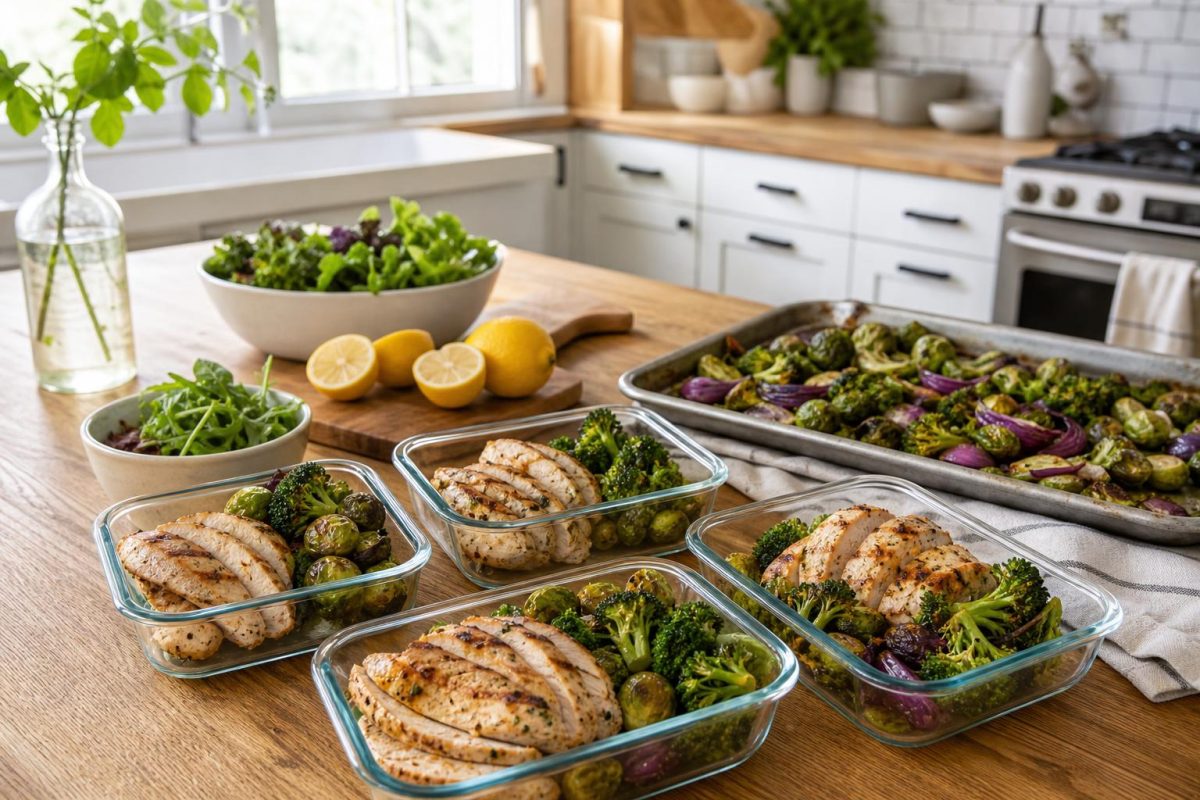
Diabetic meal prep is one of the easiest ways to make healthy eating feel less like a daily decision. When you spend about 90 minutes on Sunday getting ready, you have ready-to-eat meals in the fridge on Monday night when you are tired and hungry. This guide walks you through a simple routine you can repeat every week, plus food safety tips for keeping leftovers safe to eat.
The goal is not perfection. The goal is to have balanced meals on hand so you are less likely to reach for something you did not plan for.
Why a Sunday routine helps with diabetic meal prep
Most busy weeks go off track at the same moment: dinner time. You open the fridge, see nothing ready, and order takeout or grab something quick and refined. A short weekly session fixes that problem. You decide what you will eat, buy what you need, and cook a few building blocks that mix and match all week.
Think of your meals as a simple formula. Start with a lean protein, add a generous portion of non-starchy vegetables, and include a smaller portion of carbohydrate foods such as beans, whole grains, or starchy vegetables. The American Diabetes Association uses this same idea in its Diabetes Plate Method, which suggests filling half your plate with non-starchy vegetables, a quarter with lean protein, and a quarter with carbohydrate foods. That is a different guide from USDA MyPlate, so it helps to know which one you are following.
What you need before Sunday
- A calendar or notebook to note which dinners and lunches you plan to eat
- Four to six food storage containers with lids, labeled with the date
- A sheet pan, a large skillet, and a sharp knife
- A printed or phone list of the ingredients you already have
If you like a head start, the free 7-day diabetic meal plan gives you a full week of ideas you can cook from without building a plan from scratch.
Your 90-minute Sunday diabetic meal prep routine
Set a timer for each step. Most people find that the times below are realistic, though your kitchen may move faster or slower.
Step 1: Plan your meals (10 minutes)
Pick three or four proteins and two or three vegetable sides for the week. Choose recipes that share ingredients so you buy less and waste less. For example, a roasted chicken dish can become lunch on Tuesday and a rice bowl on Thursday. Keep your plan flexible. If you already have a plan, a quick review is enough.
Step 2: Shop from one list (20 minutes)
Write one list, organized by store section, and shop only from that list. Impulse buys are the enemy of a good week. The shopping list tool can help you build a list from the recipes you pick, so you do not forget a spice or a container of plain Greek yogurt.
Read labels when you can. Look for sugar-free or lower-sugar options in sauces and condiments, and check the fiber line on bread and tortillas.
Step 3: Batch-cook your proteins (25 minutes)
Cook two or three proteins at once in the oven, air fryer, or Instant Pot. Good options include chicken, fish, pork, beef, eggs, or beans. Season them simply so they can work with different sauces and sides during the week.
Two reliable choices are baked lemon herb chicken breast with thyme and oregano, which slices well for salads and wraps, and air fryer lemon herb chicken thighs, which stay juicy after reheating. If you have an Instant Pot, Mississippi pot roast shreds easily and portions well for several lunches. You can find more ideas in the Diabetic Instant Pot Recipes and Diabetic Air Fryer Recipes collections.
Let cooked proteins cool for a short time, then move them to the refrigerator. Do not leave them on the counter.
Step 4: Prep your vegetables (20 minutes)
Wash, chop, and roast or steam your vegetables. Choose a mix of raw and cooked options. Raw cucumber, bell pepper, and shredded cabbage hold well in containers. Roasted broccoli, cauliflower, and zucchini are also good for the week. Store raw cut vegetables with a dry paper towel to help absorb extra moisture.
Simple salads can be made in advance too. Store dressing separately so the greens stay crisp. A mixed green salad with Dijon herb vinaigrette is a good example. Keep the dressing in a small container and add it right before you eat.
Step 5: Portion and label your meals (15 minutes)
Build your containers now. Place a protein, a vegetable side, and a measured carbohydrate portion into each one. Write the date on each lid. Put the meals you will eat in the next two or three days in the front of the fridge, and move the rest to the freezer.
Finish by wiping counters and washing the cooking tools so Monday starts clean.
How long diabetic meal prep leftovers stay safe
Food safety is a big part of meal prep. The USDA food safety program at foodsafety.gov offers clear guidance on storing leftovers. Here are the basics:
- Refrigerate cooked food within two hours of cooking. Within one hour if the room is hotter than 90°F.
- Keep your refrigerator at 40°F or below.
- Cooked leftovers are generally safe in the refrigerator for three to four days.
- For longer storage, freeze portions. Frozen cooked food stays safe indefinitely, though quality is best within about two to three months.
- Reheat leftovers until they are steaming hot throughout, to an internal temperature of 165°F.
- Thaw frozen meals in the refrigerator, in cold water, or in the microwave. Do not thaw on the counter.
Because of these guidelines, many people prepare meals for Monday through Wednesday in the fridge and freeze the meals for Thursday through Sunday. Adjust that plan to fit your schedule.
Recipes that reheat well for diabetic meal prep
Some foods handle the fridge and microwave better than others. Choose dishes that keep their texture and flavor:
- Shredded or sliced meats with a little broth or pan juice, such as Mississippi pot roast
- Sheet pan or baked chicken, such as baked lemon herb chicken breast, which is also good cold over greens
- Egg dishes, like a spinach and mushroom baked frittata, which slices neatly for grab-and-go breakfasts
- Roasted vegetables, which reheat well in a skillet or air fryer and taste good at room temperature too
Foods with crisp coatings or delicate greens are harder to store. If you want crispy textures on day four, reheat them in an air fryer rather than the microwave, and keep the crunchy toppings separate until serving.
Common mistakes to avoid
- Cooking too much. Plan for the number of meals you will actually eat, plus one or two extra.
- Skipping labels. Unlabeled containers are hard to track and easy to forget.
- Storing hot food in a deep pot. Divide it into shallow containers so it cools faster.
- Dressing salads too early. Keep dressing on the side.
- Ignoring your own preferences. A plan you enjoy is easier to follow than one that looks perfect on paper.
Adjusting your routine for your needs
Your meal plan should fit your schedule, budget, and health goals. If you use insulin, take medicines, or take pancreatic enzymes with meals, talk with your doctor or diabetes care team about how your meal timing and carbohydrate choices fit with your treatment. This article is general education and is not individual medical advice. For a broader overview of managing diabetes through food, the Diabetes-Friendly Basics page is a good place to start.
You can also explore the full library of diabetic recipes to find new dinners, lunches, and snacks to rotate into your weekly plan.
Frequently asked questions
How far ahead can I do diabetic meal prep?
Most people prep for three to five days at a time. Cooked food is generally safe in the refrigerator for three to four days, so freeze anything you will not eat by then.
Do I have to cook everything on Sunday?
No. You can prep proteins and vegetables on Sunday and cook a fresh item midweek. Many people find that a mix of prepped and fresh food keeps meals interesting.
Is meal prep the same as the Diabetes Plate Method?
No. Meal prep is a way to organize your cooking. The Diabetes Plate Method is a way to build a balanced plate. You can use the plate method to guide what goes into your containers.
Can I use the same recipe every day?
You can, but rotating two or three recipes keeps you from getting bored. Try swapping sauces, herbs, or vegetables to change the flavor without changing the whole recipe.
Should I check with my care team before changing my eating plan?
Yes, especially if you take insulin, other diabetes medicines, or pancreatic enzymes. Your care team can help you decide how meal changes fit with your treatment plan.
This article is for general information, not medical advice. Talk with your care team before changing your treatment or diet.